

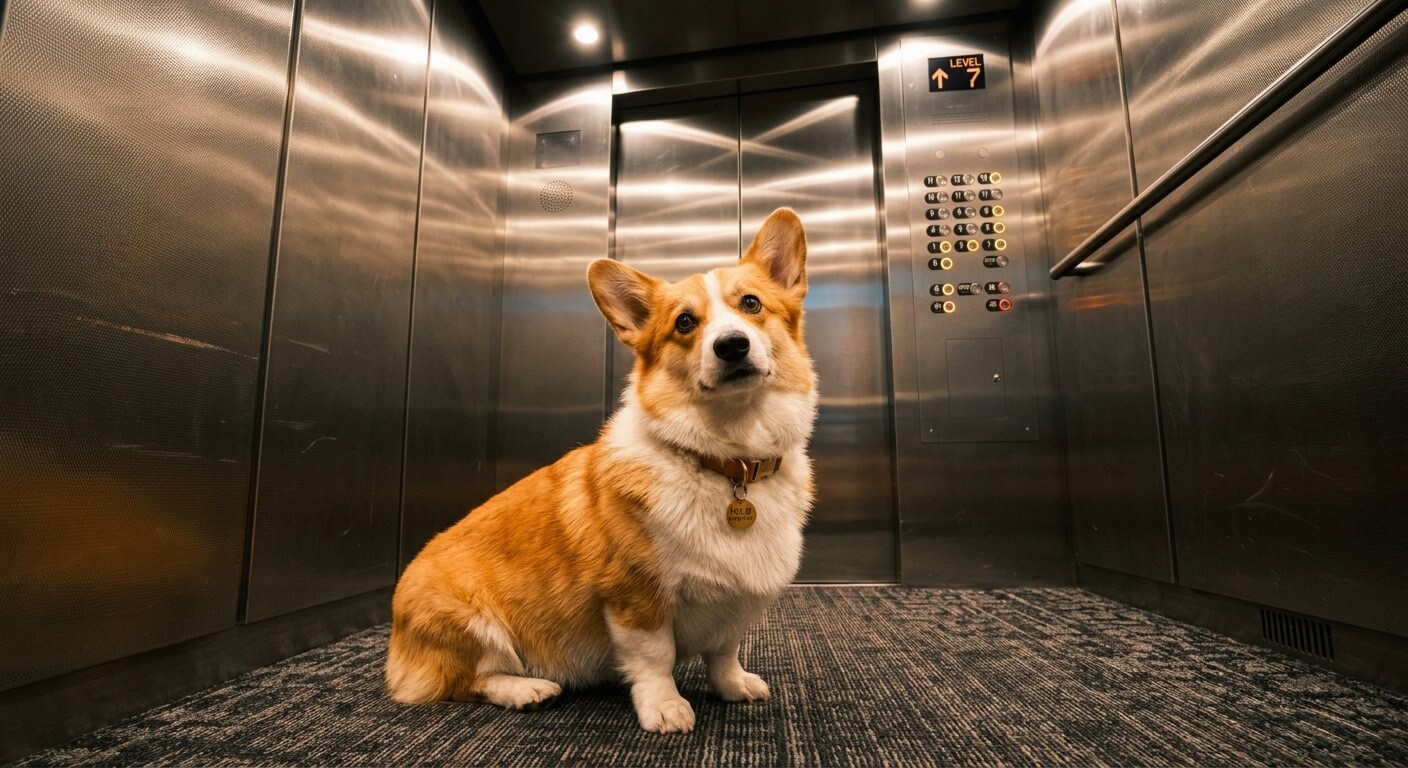
In a city like New York, where vertical living is simply part of daily life, elevators aren’t optional—they’re inevitable. For dogs, however, elevators can be confusing, claustrophobic, unpredictable little boxes that move without warning and fill up with strangers. Teaching your dog how to navigate them calmly isn’t just a nice extra—it’s an essential life skill.
Why Elevator Training Matters in New York City
Unlike suburban environments where dogs can step outside directly into open space, New York City dogs often have to pass through hallways, lobbies, and elevators multiple times a day. Elevators concentrate stimuli: unfamiliar people, close proximity, sudden stops, mechanical noises, and sometimes other dogs. Without preparation, even a generally well-adjusted dog can feel overwhelmed.
A dog who is unsure in elevators may freeze, refuse to enter, try to bolt out prematurely, bark at other passengers, or show signs of stress such as panting, trembling, or avoidance. Beyond the stress, this can create safety concerns and strain relationships with neighbors. A calm, confident dog who waits politely, enters and exits with composure, and respects shared space reflects thoughtful ownership—and makes city life smoother for everyone.
Understanding Elevator Anxiety
Before you begin training, it’s important to recognize that hesitation around elevators is not stubbornness—it’s often rooted in uncertainty or fear. From your dog’s perspective, elevators can be quite strange:
- The floor moves unexpectedly beneath their feet.
- Doors open and close quickly and sometimes noisily.
- The space is confined, limiting escape options.
- Strangers may enter suddenly and stand very close.
Some dogs are naturally more sensitive to environmental changes, while others may have had a negative experience (even something subtle, like a loud noise or a crowded ride). Puppies, especially, are still forming associations about the world, so early, thoughtful exposure is key. The goal is not to force your dog to “get over it,” but to help them build positive, predictable associations with the elevator at their own pace.
Basic Elevator Safety Rules
Before diving into training, establish a few non-negotiable safety habits. These will guide both you and your dog:
- Always leash your dog in elevators and common areas.
- Advocate for space—don’t allow strangers or other dogs to crowd your dog if they’re uncomfortable.
- Wait for a clear exit path before stepping out.
- Position your dog thoughtfully, ideally at your side or slightly behind you.
- Avoid crowded elevators early in training.
- Never force entry or exit if your dog is panicking.
Think of these as your foundation. Good training builds on consistency and clarity, and your dog will take cues from how you handle these situations.
A Step-by-Step Elevator Training Process
Training should be gradual, positive, and tailored to your dog’s comfort level. Progression may take days or weeks depending on the individual dog—and that’s perfectly fine.
Step 1: Start with the Elevator Environment (Without Riding)
Begin by simply spending time near the elevator without any expectation of getting in. Stand at a comfortable distance where your dog notices the elevator but remains relaxed.
Each time the elevator doors open or close, calmly offer a high-value treat. You’re helping your dog associate the sights and sounds with something positive. If your dog seems tense, increase your distance until they can observe without stress.
Step 2: Approach the Elevator Doors
Once your dog is comfortable being near the elevator, gradually move closer. Let them sniff, observe, and take in the environment. Continue reinforcing calm behavior with treats and gentle praise.
If the doors open, allow your dog to watch from a safe distance. There’s no rush to step inside yet.
Step 3: Practice “Wait” and “Let People Exit”
Before entering an elevator, your dog should learn to pause and allow others to exit first. This is both polite and practical in tight spaces.
Stand a few feet back from the doors and ask your dog to wait. If they remain calm while the doors open and people pass, reward generously. This builds impulse control and predictability.
Step 4: First Entry—Keep It Brief
Choose a quiet time of day and an empty elevator. When the doors open, invite your dog in with a cheerful, encouraging tone. You might toss a treat just inside the elevator to help them step in willingly.
Once inside, keep the first ride extremely short—perhaps just one floor. Maintain a relaxed demeanor, offer a few treats, and exit calmly.
If your dog hesitates, resist the urge to pull them in. Instead, go back a step and continue building comfort.
Step 5: Build Duration and Complexity
As your dog becomes more comfortable, gradually increase the duration of rides. Add in slightly busier times or one additional person in the elevator.
Continue reinforcing calm behavior: standing quietly, sitting if appropriate, and maintaining focus on you rather than reacting to others.
Step 6: Introduce Real-World Scenarios
Eventually, your dog will need to handle typical city elevator situations—multiple passengers, other dogs, and occasional unpredictability.
At this stage, your role becomes one of gentle guidance and advocacy. Position your dog in a way that minimizes pressure (often between you and a wall), and continue to reward calm, composed behavior.
If another dog enters and your dog is unsure, it’s perfectly appropriate to step out and wait for the next elevator. Training is not about proving anything—it’s about setting your dog up for success.
Step 7: Maintain the Habit
Even once your dog is proficient, continue to reinforce good behavior intermittently. A well-timed treat or calm praise goes a long way in maintaining positive associations.
A Note on Puppies
For puppies, elevator training is part of a broader process of early exposure. The goal is to introduce them to the world in a way that feels safe and manageable. Short, positive experiences are far more valuable than long, overwhelming ones. Avoid carrying your puppy through every elevator experience unless absolutely necessary—walking in on their own (when ready) helps build confidence. That said, balance is key; if a situation feels too intense, it’s perfectly fine to support them.
Common Mistakes to Avoid
- Rushing the process: Progress should be based on your dog’s comfort, not a timeline.
- Forcing entry: This can create lasting negative associations.
- Skipping early steps: Foundation work is what creates long-term success.
- Ignoring subtle stress signals: Lip licking, yawning, turning away—these matter.
- Overexposing too quickly: Especially with puppies or sensitive dogs.
The Bigger Picture
Elevator etiquette is about more than just getting from one floor to another. It’s an opportunity to teach your dog how to navigate the complexities of city life with confidence and composure.
When approached thoughtfully, elevator training becomes a microcosm of good dog training overall: clear communication, patience, consistency, and empathy. You’re not just teaching your dog to tolerate an elevator—you’re helping them feel safe in a world that doesn’t always make immediate sense.
And in a city as dynamic as New York, that sense of security is one of the greatest gifts you can give your dog.